


Electricity Concerns During A Flood
Electricity Concerns During a Flood
When the rainy season arrives in the Chicago area, flooding can quickly turn from a minor inconvenience into a serious safety threat. If floodwaters rise high enough to enter your home, they can cause extensive water damage and create dangerous electrical hazards. It is crucial to understand how to handle an unexpected water surge, how to prepare your home in advance, and when it is unsafe to be anywhere near the water. Keeping your home and loved ones safe during a flood should always be the top priority.
Table of Contents
- What to do first when floodwaters rise
- When it is safe (and not safe) to turn off power
- How to protect yourself from electric shock
- Wet appliances and electrical equipment
- How to prepare your home before a flood
- After the water recedes: inspections and repairs
- Frequently asked questions
- Call us today
What to Do When Dealing With a Flood
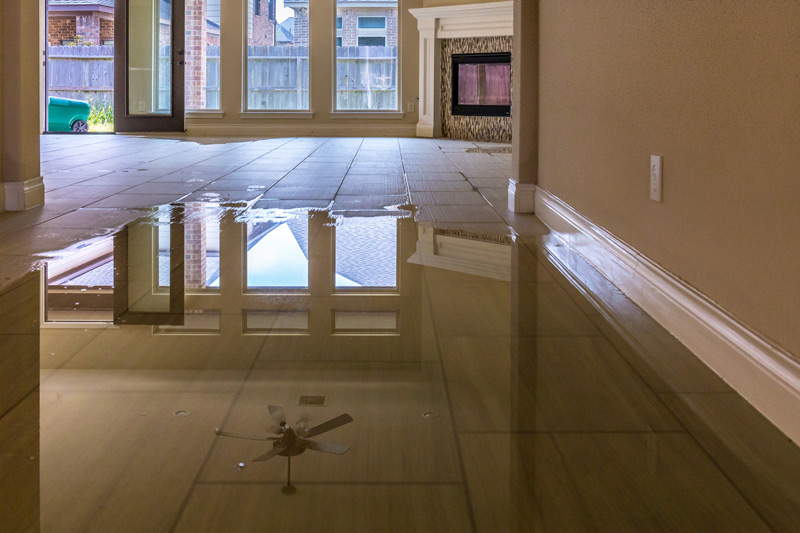
If you have a home in a low-lying area, it is common for the basement or lower level to take on water during a localized flood. When this happens, keeping electrical safety in mind is critical.
- Do not step into a flooded basement or room. Water can quickly rise and come into contact with outlets, extension cords, power strips, and appliances.
- Assume the water could be energized. Water can become energized by electricity and deliver a severe shock or electrocution when you touch it.
- Stay away from any area where electrical equipment is submerged. This includes furnaces, water heaters, laundry machines, and any plugged-in tools.
If you are unsure whether the water is in contact with electrical equipment, stay out of the area and contact a licensed electrician or your local utility for guidance. Your safety comes before any property damage.
When It Is Safe (and Not Safe) to Turn Off Power
If your electrical panel is located in a dry, accessible part of the home, turning off the main breaker before water reaches outlets and equipment can reduce damage and lower the risk of shock. However, this must only be done if you can reach the panel safely.
If your breaker box is only accessible when standing in flood waters, then do not shut it off by yourself. Never attempt to reach the panel if you must stand in water to get to it. Contact your local electrical company to come out and shut your power off at the meter instead. This will help ensure that everyone remains safe from electrocution.
How to Protect Yourself From Electric Shock
Remember that water and electricity don’t mix. You should never use electrical appliances that come into contact with standing water, even if the water has gone down. Any cords, power strips, or outlets that were submerged may still be dangerous until they are inspected.
To reduce your risk of shock during a flood:
- Avoid touching outlets, switches, or electrical panels if you are wet or standing on a damp floor.
- Do not use extension cords or power strips on wet surfaces, even outdoors.
- Keep electric tools and equipment at least 10 feet away from any wet or flooded area.
- Have an electrician check affected areas before you attempt to use power again.
Additionally, you want to be mindful of where you’re standing when you use electric tools. You should never be within 10 feet of any wet surface. This greatly increases the likelihood of electrocution.
Wet Appliances and Electrical Equipment
Any appliance or electrical device that has been splashed or submerged during a flood should be treated with caution. Water can damage motors, insulation, and sensitive internal components, turning routine use into a major safety risk.
- Do not plug in or turn on any appliance that got wet until it has been inspected by a qualified professional.
- Items like furnaces, freezers, refrigerators, washers, dryers, and sump pumps may need repair or replacement after significant water exposure.
- Outdoor outlets, landscape lighting, and extension cords that were under water should be checked before use or replaced.
An electrician should check these areas before you attempt to use them again. Re-energizing wet equipment without proper inspection can lead to shocks, fires, and further damage.
How to Prepare For a Flood
One of the best ways to avoid shock from energized water is to prepare your home ahead of time, especially if you know your property is prone to flooding.
If you live in the lowlands, you should have your home prepared to deal with oncoming flood waters:
- Clear out electrical appliances in flood-prone areas. First, you should clear out any electrical appliances in your basement area. This will prevent the flood waters from reaching them and causing damage and shock.
- Shut off power to low outlets and circuits before major storms. Another great tip is to shut off the breakers for outlets or switches in areas of your home that often flood. By killing the power to these, you can avoid electrical shock when they come into contact with water.
- Relocate critical equipment. If your basement floods often, move your electricity breaker box to a higher level of your home. Your laundry room is a good option. This will allow you to gain access to it whenever you need to without risking standing in flood waters.
- Install or upgrade sump pump protection. If you’re often dealing with flood waters at your home, it can be helpful to invest in a sump pump system with a backup battery and alarm. This will work to pump excess water out of your basement and alert you when water levels rise.
- Add GFCI protection. Ground fault circuit interrupters (GFCIs) should be used in basements, laundry areas, bathrooms, kitchens, and outdoor outlets to reduce the risk of shock in wet locations.
If your basement floods often, a combination of sump pumps, GFCIs, and elevated equipment can help you avoid water interacting with your outlets and switches. This helps you to prevent electrical shock and reduces damage when flooding occurs.
After the Water Recedes: Inspections and Repairs
Once floodwaters go down, it may be tempting to start cleaning and plugging things back in right away. However, this is the most important time to slow down and let a professional evaluate your electrical system.
- Have a licensed electrician inspect outlets, switches, and wiring that were submerged or splashed.
- Replace any damaged receptacles, switches, or panels that show signs of corrosion or contamination from dirt or debris.
- Have wet appliances evaluated by a qualified service technician before use.
- Discuss options to elevate or protect equipment to reduce damage from future floods.
A thorough inspection after a flood helps protect your family from hidden hazards and can prevent repeated failures and repairs later on.

Frequently Asked Questions
Is it ever safe to walk through flood water in my basement?
No. You should assume basement flood water could be energized, especially if it has reached outlets, power strips, or appliances. Stay out of the area and call an electrician or your utility for help.
Can I reset breakers after a flood if the panel did not get wet?
If the panel stayed completely dry and is in a safe, accessible location, it may be possible to reset breakers after an electrician has inspected the rest of the system. Never reset breakers if there is any chance the panel or internal components were exposed to water.
Can I use extension cords or power strips on a damp basement floor?
No. Extension cords and power strips should never be used on wet or damp surfaces. This creates a very high risk of shock. Wait until the area is completely dry and all equipment has been inspected.
Do I need to replace outlets and switches that were submerged?
In most cases, yes. Internal parts can corrode or trap debris, causing them to malfunction or overheat later. A licensed electrician can determine what must be replaced to bring your system back to a safe condition.
Call Us Today
If you’re experiencing electrical issues due to a flood, then it’s time to contact us. Let our helpful electricians assist you in making your home safe again. We can inspect your electrical system, repair or replace damaged components, and recommend upgrades that help protect your family and your property during the next heavy storm or flood.