


What Causes a Furnace To Short Cycle in Cold Weather?
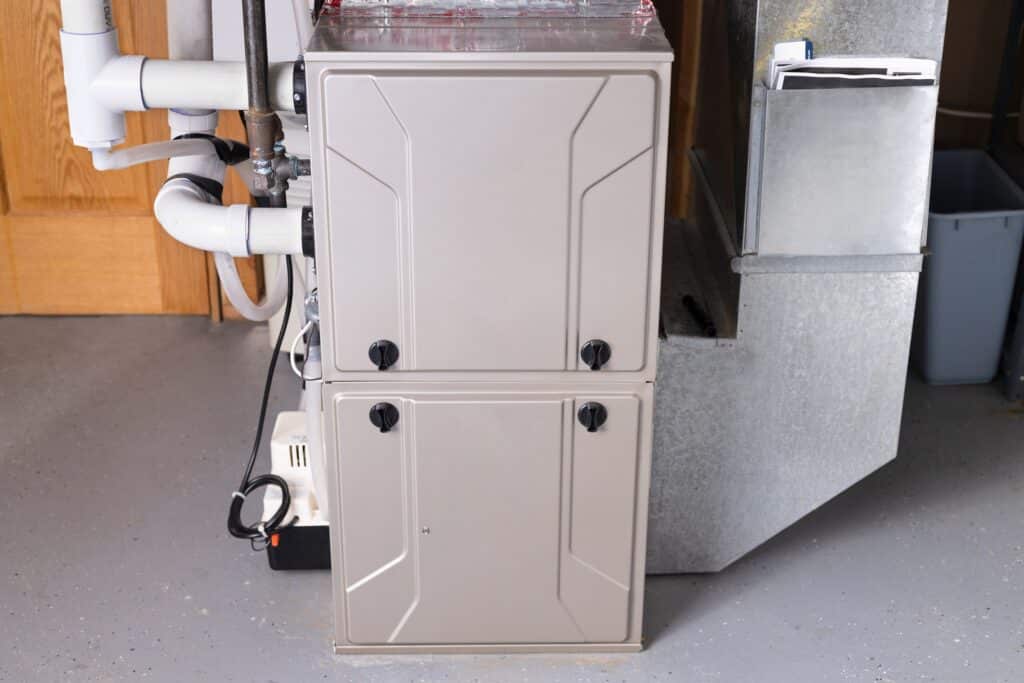
Winters in the Chicago area are no joke, so it’s important to have a furnace that can keep your home warm. However, the extreme cold means your furnace has to work harder and longer to keep your home comfortable. While this means you can expect your furnace to run longer, it shouldn’t be running in frequent short bursts, constantly turning on and off without completing a full heating cycle. If this is happening in your home, you have a short-cycling furnace. Read our blog to learn more about what this problem is, what causes it to happen, and how you can fix it.
What Is Short Cycling & Why Is It Bad?
Short cycling happens when your furnace turns on, runs for only a few minutes, then shuts off before reaching the set temperature. After a brief pause, it starts up again, repeating the cycle over and over.
This is a problem for many reasons, ranging from your overall comfort to your furnace’s well-being. Short cycling increases wear and tear on your furnace’s components, which can shorten its lifespan and lead to more frequent repairs. This also wastes energy, which drives up your heating costs.
During Chicago winters, when your heating system should run steady, consistent cycles, short cycling can quickly escalate into a bigger issue if ignored.
6 Common Causes of Furnace Short Cycling in Winter
Overheating Due to Restricted Airflow
Your furnace can overheat, and this often leads to short cycling. Furnaces have safety switches that shut the system down if internal temperatures rise too high, which can lead to shorter and more frequent heating cycles.
One of the main reasons furnaces overheat is because of restricted airflow. Your furnace needs clear airflow to maintain proper operation, so issues like dirty and clogged filters or blocked vents can create an issue. When airflow is restricted due to these causes, your furnace will start to overheat and short cycle.
Malfunctioning or Poorly Placed Thermostat
Your thermostat tells the furnace when to turn on and off. If it’s malfunctioning, miscalibrated, or poorly located, it may signal the furnace to shut down too soon. For instance, if your thermostat is located in an area that receives a lot of direct sunlight, it may think that your home is warmer than it actually is and prevent your furnace from completing a full heating cycle. On the other hand, if your furnace is malfunctioning, it may not be sending the correct signals to your furnace, leading to the frequent on/off cycle.
Oversized Furnace System
You may think the bigger a furnace is, the better, but this is not true for heating systems. Your furnace has to be sized correctly for your home. Too small or too big of a furnace will cause more problems than it will solve. Oversized furnaces can heat the space too quickly and shut off before completing a proper cycle. This leads to frequent cycling, uneven heating, and increased strain on your unit. Oversized systems are often the result of improper installation or outdated load calculations, so make sure to work with a reliable HVAC company whenever you are replacing your furnace.
Flame Sensor Issues
The flame sensor is a small but critical safety component. It detects whether the burner flame is present. If it doesn’t sense a flame, it shuts off the gas supply to prevent dangerous buildup.
If the flame sensor is dirty or failing, it may not detect the flame properly, even when it’s there. This causes the furnace to ignite, run briefly, then shut off repeatedly.
Clogged Exhaust or Intake Vents
During Chicago winters, snow, ice, or debris can block your furnace’s intake or exhaust pipes. When these vents become clogged, your furnace won’t be able to properly expel exhaust gases and pressure switches may shut the system down. This can cause the furnace to repeatedly attempt to restart. Ice buildup is especially common during extended periods of sub-freezing temperatures, so be on the lookout for this issue when temperatures have dropped for a while.
Blower Motor Problems
The blower motor circulates warm air throughout your home. If it malfunctions or runs inconsistently, it can cause overheating or improper heat distribution. If the blower isn’t moving air properly, your furnace may shut down prematurely to protect itself.
How To Solve Furnace Short Cycling & When To Call a Professional
Some short cycling issues have simple solutions. Try replacing your air filter and ensuring all vents are open and unobstructed. If this doesn’t solve the issue, check your thermostat to ensure it is set correctly.
If the problem continues, DIY solutions won’t cut it. A professional HVAC technician can diagnose the cause of your furnace short cycling and perform the necessary heating repairs.
Schedule Furnace Repairs With Cahill
When your furnace struggles during a Chicago winter, you need fast, reliable service from a local team you trust. At Cahill Heating, Cooling, Electric, Plumbing & Sewer, we diagnose and repair furnace short cycling issues quickly and thoroughly. Our licensed technicians will get your heating system running safely and efficiently again. We offer 24/7 emergency HVAC services when you need your heating restored fast.
Contact our team today to schedule furnace repairs in the greater Chicago area.