


Prepare Your HVAC System for Winter Weather
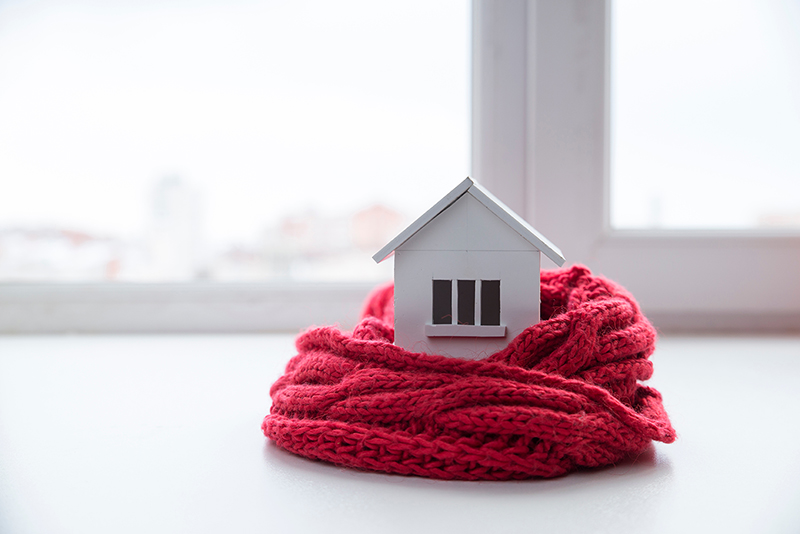
As cooler fall temperatures arrive, it’s the ideal time to prepare your home for the winter season ahead. Winterization refers to the steps you take to protect your home and its mechanical systems from harsh weather. Your heating system is one of the most important components to focus on. Proper preparation helps improve performance, reduce energy costs, and prevent mid-season breakdowns.
Test Your Furnace Early
Do not wait for freezing temperatures to turn on your furnace for the first time. Test your heating system well before winter arrives to ensure everything operates as it should. Running the furnace a few times during the fall helps reveal unusual noises, weak airflow, or startup issues that may require repair. Early testing gives you enough time to correct problems before the cold weather settles in.
Clean and Inspect Your Air Vents
Dust, dirt, and debris accumulate inside supply and return vents throughout the year. Cleaning them improves airflow and allows your heating system to operate more efficiently. Remove the vent covers, wash them thoroughly, and let them dry completely before reinstalling. Avoid closing vents or covering them with furniture, as this can restrict circulation and place unnecessary strain on the system.
Replace Your Air Filters
After a long season of running your home’s air conditioning system, your air filter is likely filled with dust and contaminants. Replacing the filter before winter is essential for proper airflow and indoor air quality. Locate the filter housing, remove the old filter, and install a new one of the same size and rating. A clean filter helps your furnace run more efficiently and reduces wear on system components.
Schedule Your Annual Heating System Tune-Up
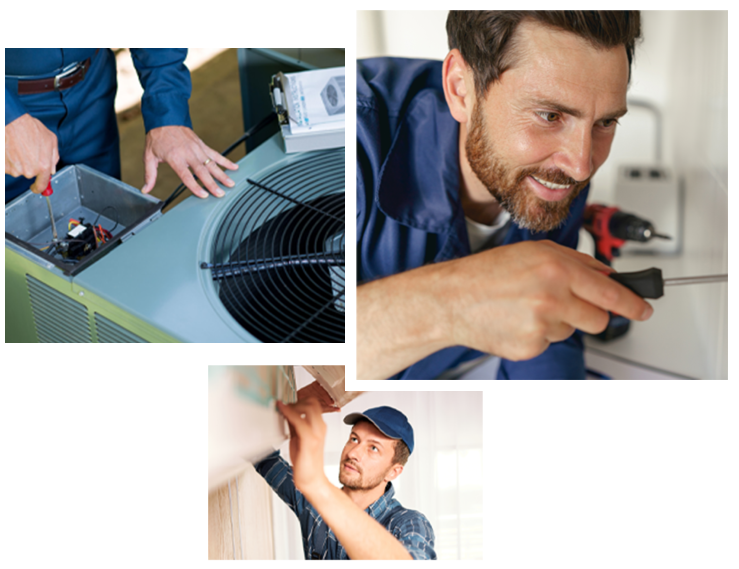
A professional tune-up is one of the most effective ways to prepare your heating system for winter. Our heating and cooling professionals will inspect and test your furnace, lubricate moving parts, check electrical connections, examine fan belts for wear, and verify that all components are operating safely. Regular maintenance improves reliability and can extend the lifespan of your equipment.
Consider Upgrading to a Smart Thermostat
A smart thermostat is a valuable addition during winterization. These devices provide better control over your home’s temperature and help reduce energy waste. With scheduling features, remote control options, and energy-saving modes, a smart thermostat ensures your heating system only runs when necessary. This upgrade can lead to more consistent comfort and lower utility bills throughout the season.
Additional HVAC Winterization Tips
You can further improve cold-weather performance by checking exposed ductwork for leaks, clearing the area around your furnace, and ensuring carbon monoxide detectors are functioning properly. Small steps like these add an extra layer of safety and efficiency as temperatures drop.
Contact Our HVAC Professionals Today
If you would like a trained technician to complete your HVAC winterization, give us a call today. Our team services all brands and will make sure your system is fully prepared for the long winter months ahead.
Also Read:
Common HVAC Problems During Winter
How Long a Furnace Typically Lasts
How to Handle HVAC Breakdowns in Cold Weather