


Upgrading to Tamper-Resistant Outlets: Is It Worth It for Older Homes?
Many homes in the greater Chicago area were constructed decades ago, long before the current standards of modern electrical safety. While these homes frequently feature historic charm and durable construction, their electrical systems may rely on outdated components, including older outlets lacking modern safety features. As homeowners update wiring, lighting, and appliances, electricians often recommend outlet upgrades as part of the broader improvements.
Tamper-resistant outlets are one such upgrade. These outlets are designed to lower the risks of both electrical shock and accidental contact with live electrical parts. These outlets include an in-built safety mechanism that prevents foreign objects from being inserted into the receptacle slots. This added safety feature is now a standard requirement in most new residential construction.
If you’re a homeowner considering making electrical upgrades to your home, replacing older outlets with tamper-resistant versions is a simple and effective step to improve safety. Professional outlet installation services ensure your upgrades meet electrical codes and maintain dependable performance throughout your residence.
What Are Tamper-Resistant Outlets?
Tamper-resistant outlets or receptacles look very similar to standard outlets but include internal safety features providing extra protection. These outlets were designed to reduce electrical injuries, particularly among kids inserting objects into outlet openings. Now, they’re a common standard for modern residences.
How Tamper-Resistant Receptacles Work
Tamper-resistant outlets have internal spring-loaded shutters covering the electrical contacts inside the outlet. When you insert a standard electrical plug, both prongs simultaneously go against the shutters. Even pressure lets the shutters open, so the plug connects normally.
However, if somebody tries inserting a single object, such as a key, screwdriver, or paperclip, into an outlet slot, the shutters stay closed. Since the pressure isn’t evenly applied, the outlet blocks access to the energized contacts.
How They Differ From Standard Electrical Outlets
The safety shutter mechanism is the primary feature distinguishing these outlets from traditional receptacles. These shutters are located right behind the outlet face and remain closed until equal pressure is applied to both slots. Objects can’t be inserted into only one slot, significantly reducing the risk of electric shock. You can expect many years of normal use from these durably designed shutters.
Why Older Homes Should Consider Outlet Upgrades
Older homes often have electrical systems designed for different eras of safety expectations and power usage. Advancements in technology and households using more electrical devices make it increasingly important to update key electrical components.
Older receptacles might show signs of wear, outdated construction, or loose connections. They might also lack grounding protection. Worn outlets risk overheating, unreliable connections, and sparks.
Preventing Electrical Shock and Burn Hazards
Electrical outlets are located throughout homes, often in easy reach of kids and pets. Inserting a foreign object into an outlet can result in serious electrical shock or burns, but tamper-resistant outlets are valuable protection in a family home that prioritizes safety.
Upgrading outlets to modern tamper-resistant versions brings some electrical system components up to current standards without completely replacing a home’s electrical system.
Are Tamper-Resistant Outlets Required by Electrical Code?
Understanding how electrical codes apply to older homes can help you decide what upgrades are worthwhile. The National Electrical Code establishes minimum safety standards for electrical system installations across the country, and code updates over time have added requirements for residential properties. Modern code versions require tamper-resistant outlets for most new home living spaces and many renovations.
Where Tamper-Resistant Outlets Are Typically Required
Tamper-resistant outlets are usually required in living rooms, hallways, kitchens, and bedrooms. They’re designed to provide protection in typical residential spaces with standard, accessible outlets. Select specialized outlets, such as those behind big appliances, aren’t easily accessible and don’t always require tamper-resistant designs.
Why Older Homes May Still Have Non-Compliant Outlets
Homes constructed before code changes might still have the standard outlets from those eras. Electrical codes usually don’t require homeowners to update their existing systems unless they do major renovations. Replacing older outlets with tamper-resistant units can improve safety even if the upgrade isn’t strictly necessary.
Benefits of Installing Tamper-Resistant Outlets
Tamper-resistant outlets offer many benefits, especially for older properties.
Improved Child Safety in the Home
Young kids are naturally curious and might attempt to insert foreign objects into outlets. The internal shutter system prevents these objects from making electrical contact, reducing the chances of shock or injury.
Long-Term Electrical Protection
Durable internal components withstand frequent use. Tamper-resistant outlets deliver long-lasting safety improvements without frequent replacement.
A Simple Upgrade That Enhances Home Safety
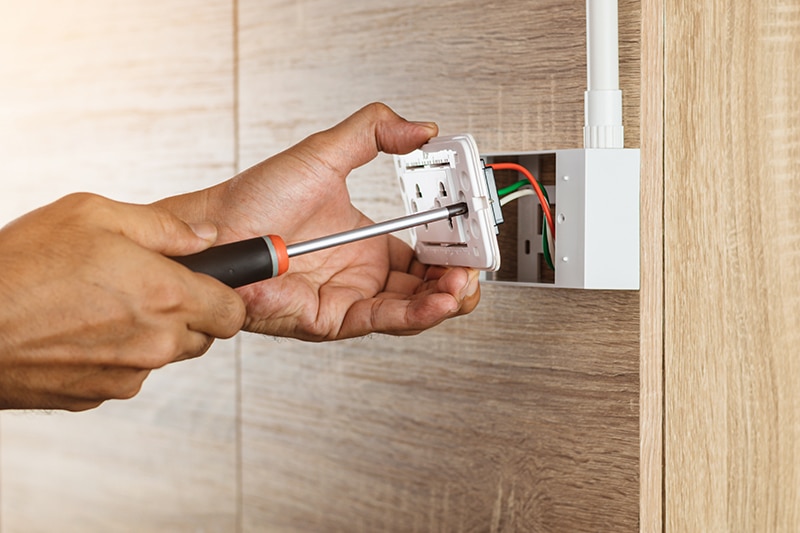
Outlet replacement is a relatively straightforward upgrade, compared to many other electrical improvements. In most cases, a licensed electrician can replace multiple outlets in just one visit.
Professional Outlet Installation From Cahill
An outlet upgrade might seem like a minor change, but proper installation is crucial for safety and reliability. Our professional electricians have the expertise, tools, and training to replace outlets safely and efficiently. We also understand the current requirements and local electrical codes, ensuring your home avoids future inspection issues or performance problems. Homeowners enjoy peace of mind with our reliable electrical services and upgrades.
Schedule your outlet upgrades with Cahill Heating, Cooling, Electric, Plumbing & Sewer for safe and efficient work that’s compliant with modern standards.
FAQs
What makes a tamper-resistant outlet different from a regular outlet?
Tamper-resistant outlets include internal safety shutters. This is a protective feature that regular outlets don’t have. Internal safety shutters block access to electrical contacts unless a standard plug applies equal pressure to both slots.
Are tamper-resistant outlets required in every room?
Tamper-resistant outlets are not required in every room of the home. Modern electrical codes usually require tamper-resistant outlets for the living areas of most residential homes. However, requirements can vary based on local regulations and outlet locations.
Can older outlets be replaced without major electrical work?
This depends on a number of factors. In many situations, a temper-resistant receptacle can replace an older outlet without major electrical modifications. A licensed electrician can look at the current wiring and determine if a simple replacement is feasible.
How long does it take to upgrade outlets in a home?
The length of time it takes to upgrade outlets in a home depends on a variety of factors. A standard electrical service appointment can often finish many outlet upgrades in a few hours. This depends on the existing wiring condition and how many outlets are being replaced.