


Calculating The Correct Size Air Conditioner
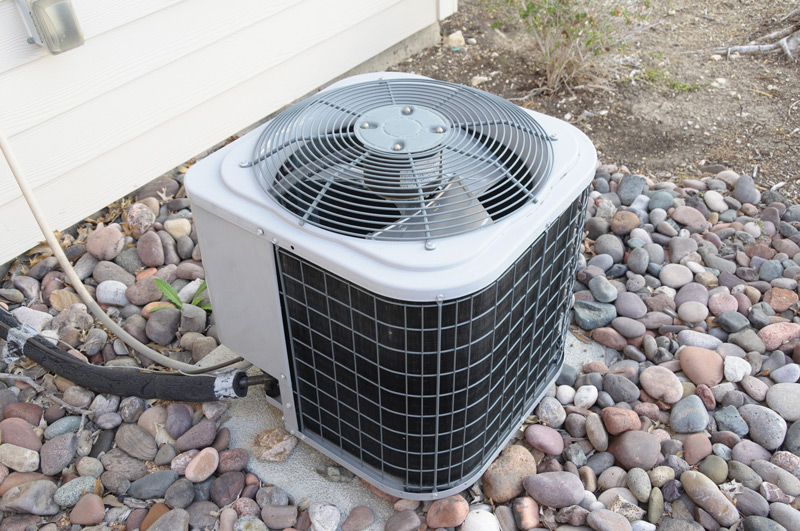
When the summer heat is on, a properly sized air conditioner is your best friend. But how do you know what size you need? Choosing a unit that’s too small won’t cool your space effectively, and one that’s too large will cycle on and off too frequently, leaving your air feeling clammy and wasting energy. This guide will walk you through the key factors and a simple formula to help you find the correct size air conditioner for your home.
Why Correct Sizing is Crucial
Getting the right size AC isn’t just about comfort; it’s about efficiency and performance. A unit that is too small will constantly struggle to cool your home, leading to high energy bills and a shorter lifespan for the unit. On the other hand, an oversized unit will cool the air too quickly without adequately removing humidity, making the space feel cold and damp. The right-sized unit will run in longer cycles, effectively cooling the air while also pulling out moisture, ensuring your home is both cool and comfortable.
Factors Beyond Square Footage
While the size of your space is a primary consideration, it’s not the only factor. A number of variables can impact the cooling load of your home, and an HVAC professional will consider these when making a recommendation:
-
Ceiling Height: Taller ceilings mean more air to cool.
-
Insulation: The quality of your home’s insulation and windows affects how well it retains cool air.
-
Sun Exposure: Homes with more windows facing the sun will absorb more heat.
-
Climate: The local climate and typical temperatures play a big role.
-
Occupancy: The number of people and heat-producing appliances (like computers and ovens) in the space.
Outdated HVAC equipment contributes to rising energy costs.
A Simple Formula for Calculating the Correct Size Air Conditioner
One of the simplest ways to get a good estimate is by using the British Thermal Unit (BTU) formula. A BTU is a unit of heat measurement, and the BTU rating of an air conditioner indicates its cooling capacity. A common rule of thumb is that you need about 25 BTU per square foot of your home.
Here’s how to calculate it:
-
Measure Your Square Footage: Determine the total square footage of the area you want to cool.
-
Apply the Formula: Multiply your square footage by 25.
Example: If your home is 1,000 square feet, the calculation is:
Based on this, you’ll need an air conditioner with a cooling capacity of around 25,000 BTU.
When shopping for an AC, you may also see the unit’s capacity listed in tons. For reference, 1 ton of cooling is equal to 12,000 BTU. Using our example, a 25,000 BTU unit would be slightly over 2 tons.
Beyond the Formula: Factors in Calculating the Correct Size Air Conditioner
In a blog post about calculating the correct size air conditioner, a section titled “Beyond the Formula: Factors in Calculating the Correct Size Air Conditioner” should include the following:
How long does an air conditioning unit typically last?
Beyond the Formula: Factors in Calculating the Correct Size Air Conditioner
While the square footage formula provides a solid starting point, it’s just one piece of the puzzle. A truly accurate calculation for the correct size air conditioner requires considering other factors that affect your home’s heat gain. Ignoring these can lead to an inefficient system, regardless of its BTU rating.
Here are some key factors that influence the cooling load of your home:
-
Climate: The region you live in plays a significant role. A home in a hot, humid climate like Texas will have a higher cooling demand than a similar-sized home in a cooler, drier state.
-
Sun Exposure and Windows: South-facing windows and those that receive direct afternoon sun can significantly increase the heat in a room. The number, size, and type of windows (e.g., single-pane vs. double-pane) all factor into how much heat enters your home.
-
Insulation and Air Leakage: Proper insulation in walls, ceilings, and attics is crucial for keeping cool air in and warm air out. Similarly, drafts from windows and doors can make your AC work much harder.
-
Ceiling Height: A room with 10-foot ceilings has more air to cool than a room of the same square footage with 8-foot ceilings, which increases the required BTU capacity.
-
Heat-Generating Appliances: Electronics, lighting, and kitchen appliances all produce heat. A kitchen, for example, will often require more cooling than a bedroom of the same size.
-
Number of Occupants: People generate body heat. The more people regularly occupying a space, the higher the cooling load.
Can you replace an HVAC unit by yourself?
The Importance of Calculating the Correct Size Air Conditioner
While the BTU formula is a great starting point, it’s always best to consult with a qualified HVAC professional. They have the expertise to perform a comprehensive load calculation, taking into account all the unique factors of your home to ensure you get the perfect fit.
If you’re ready to find the right air conditioner for your space, contact our HVAC experts today for a professional assessment.
Call Us Today
If you’re interested in investing in a new air conditioner for your home, then it’s time to give us a call. Let our HVAC professionals help you get the right size air conditioning system. We can find something to meet your needs and your budget.